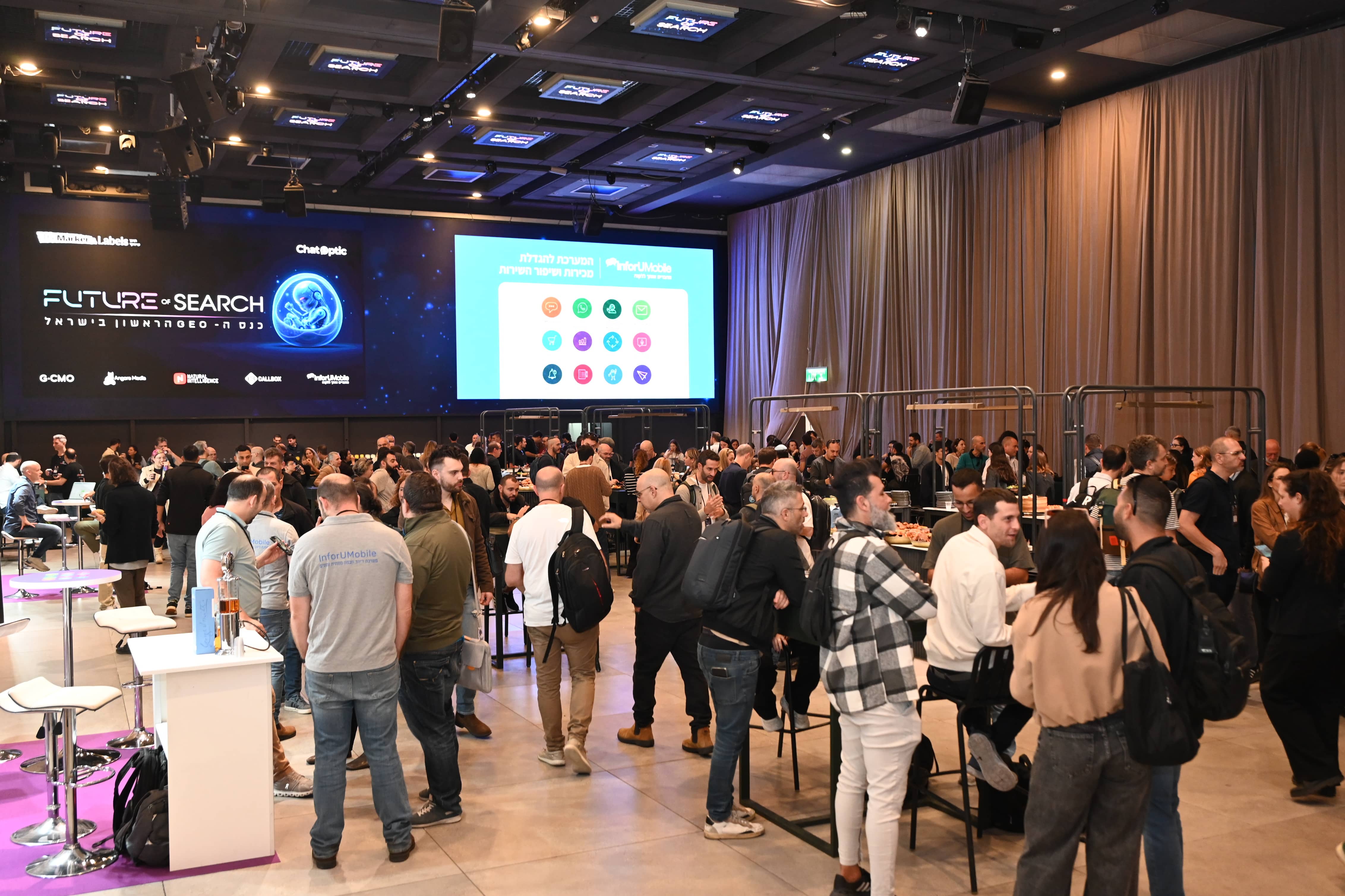


On December 1, 2025, over 500 CMOs and senior marketing leaders, alongside SEO and GEO professionals, came together for Future of Search 2025, the first GEO conference in Israel. The event was co-hosted by Chatoptic and TheMarker Labels and brought together voices from global tech companies, leading brands, academy, and the local marketing ecosystem.
Throughout the day, one theme kept coming back in different forms: search is no longer about rankings alone. It is about how AI systems interpret intent, personalize answers, and decide which sources and brands deserve to be part of the conversation.
The following sections break down the main insights from each talk.
Key Insights From the Stage
AI visibility is now a baseline, not an advantage
Omri Barak, creator, AI consultant, and former Channel 12 tech reporter, opened the conference by framing the scale and speed of AI adoption and why it changes the rules of search.
Key takeaways:
- The gap between ChatGPT and Gemini is closing fast, both in usage and capabilities.
- ChatGPT reached millions of users in record time and now serves hundreds of millions globally.
- Visibility inside AI answers is no longer optional for brands that want to stay relevant.
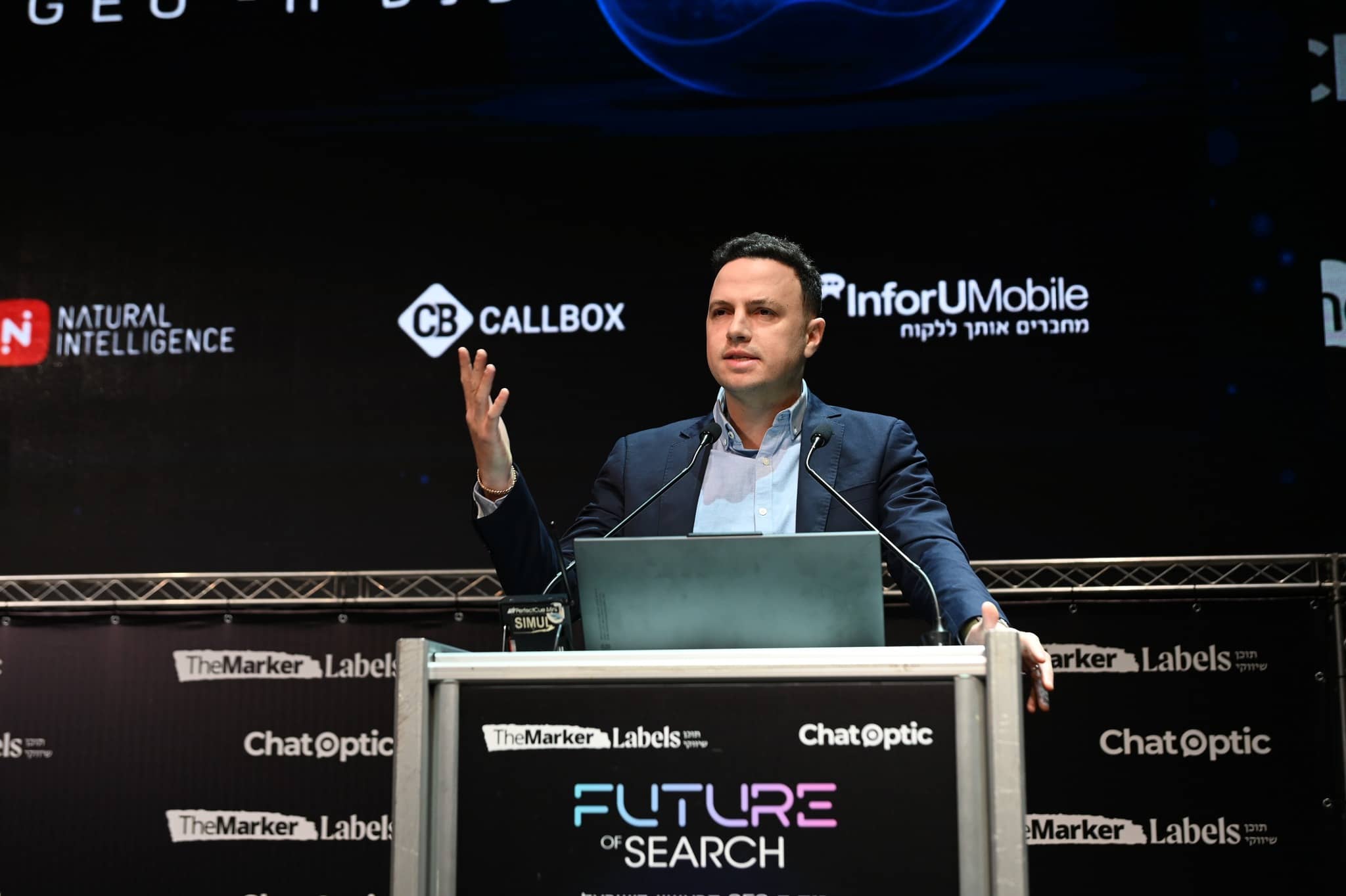
“There’s no such thing as AI Visibility, there’s only AI Visibility for someone.”
Ohad Yaniv, Co-founder and CEO of Chatoptic, focused on how extreme personalization changes brand visibility.
Key takeaways:
- The same prompt can generate different answers for different users.
- AI models optimize for emotional and contextual relevance, not neutral rankings.
- Brands must think in personas and psychographic profiles.
- Measuring AI visibility requires looking across users, contexts, and answer patterns.
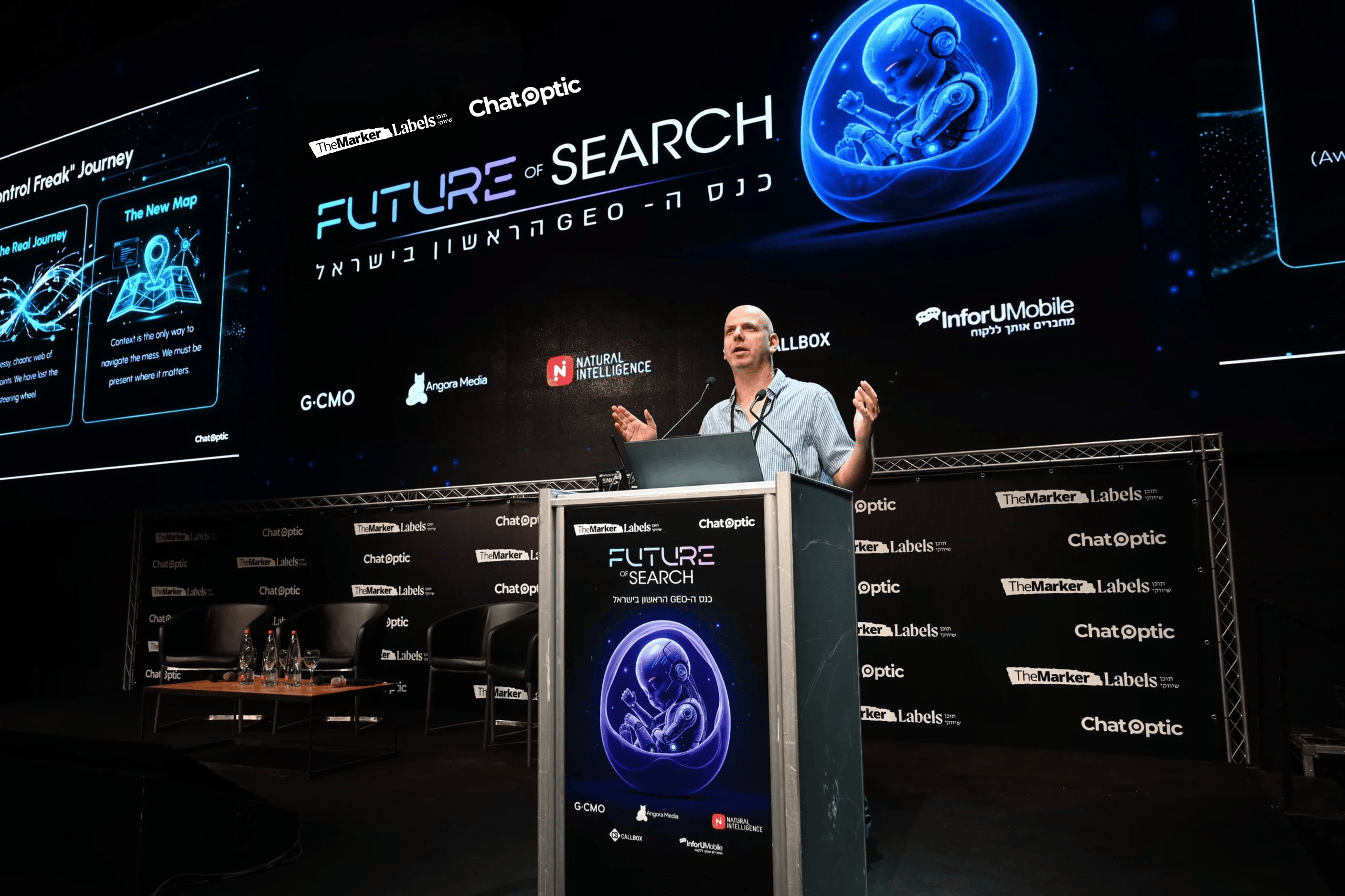
GEO is not SEO with a different name
Pavel Israelsky (yes, that’s me), Co-Founder and CMO of Chatoptic, explained the key differences between GEO and SEO, showing why GEO is not simply SEO under a new label, but a distinct way of thinking about visibility in AI-driven search.
Key takeaways:
- SEO is still important for GEO, as LLMs rely on search engines to retrieve fresh information through grounding.
- AI models break prompts into multiple sub-queries using query fan-out, which has a direct impact on how content should be optimized.
- Clear structure, summaries at the top of pages, and strong internal navigation matter more than ever.
- SEO and GEO work best when handled together, ideally by the same owner, to avoid conflicting strategies.
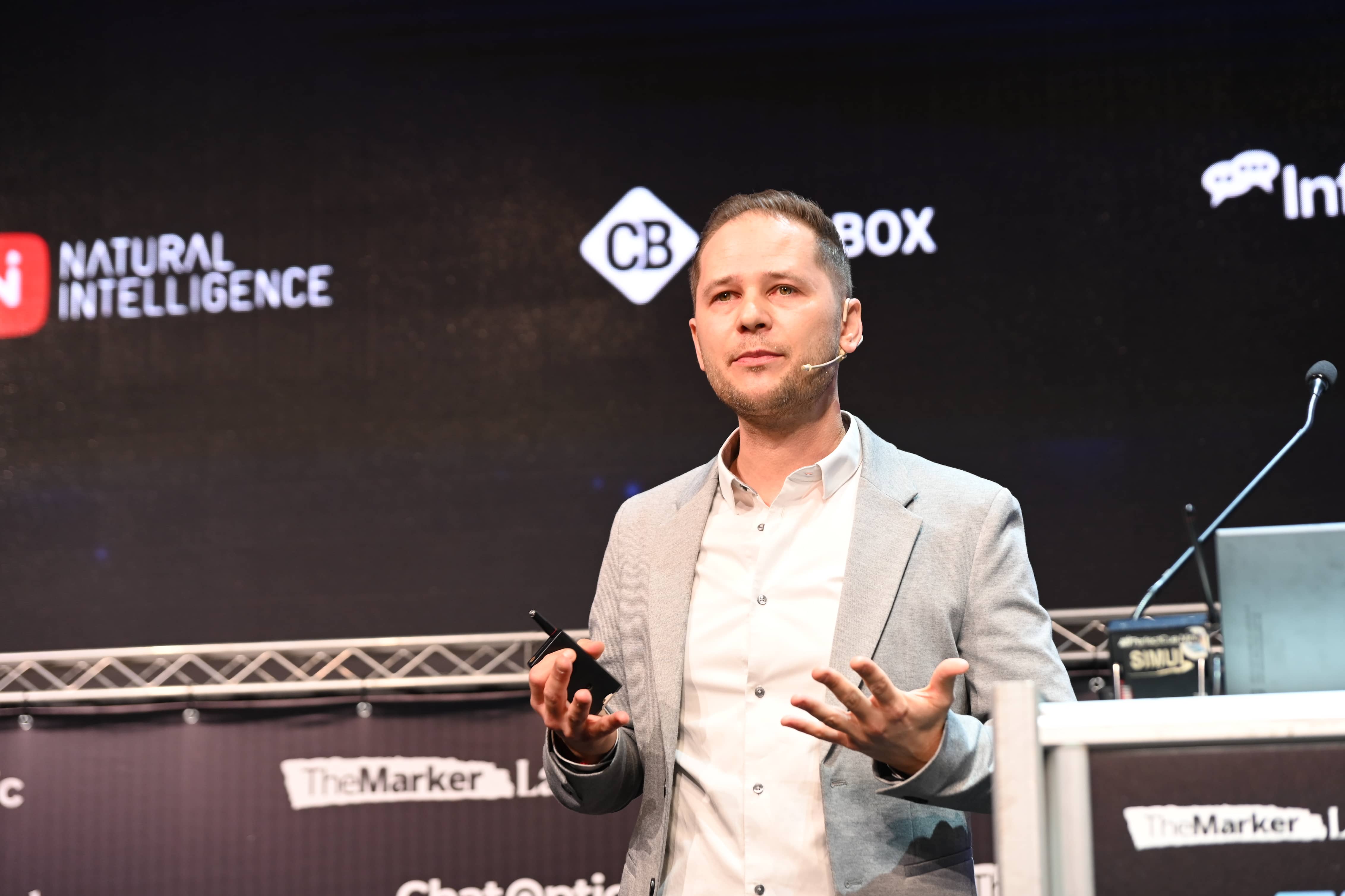
You cannot afford to not decide
Hadar Locker-Adar, AI Business Solution Marketing Lead at Microsoft, focused on how organizations should approach search strategy in an AI-first reality.
Key takeaways:
- AI adoption among employees and leaders is already widespread and accelerating.
- Search behavior is shifting toward AI-driven experiences faster than most teams expect.
- Content should be structured, clear, and designed around logical follow-up questions.
- Consistency across teams and channels increases trust signals for AI systems.
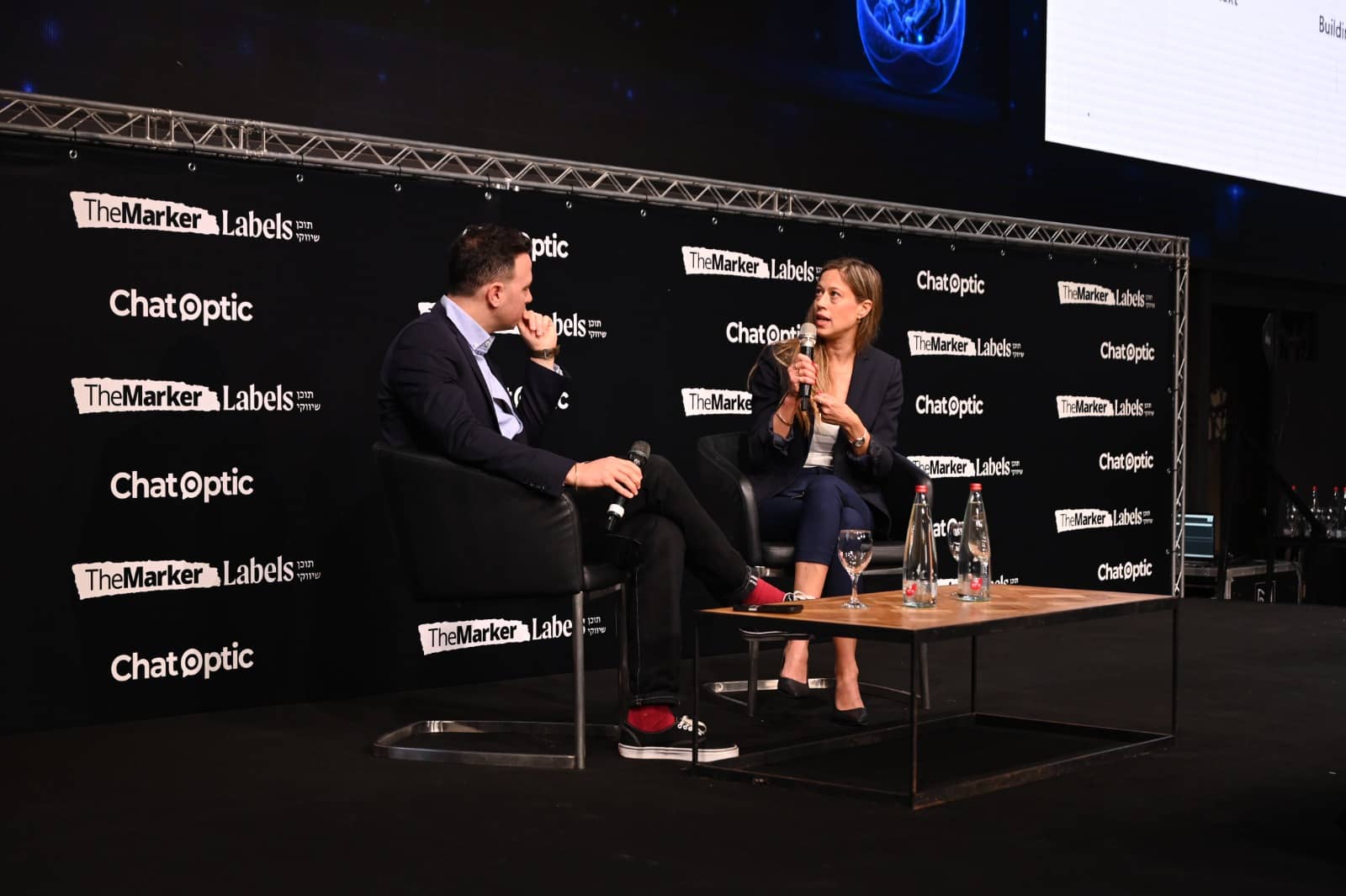
Enterprise search strategies are being rewritten by AI
Anat Oransky Lev, member of G-CMO forum and Ex-VP Marketing at Outbrain, Intel and Quicklizard, moderated a panel discussion on how AI is changing search strategy inside large organizations, with insights from senior marketing leaders operating at global scale. The panel explored how AI impacts marketing strategy, budget allocation, and day to day decision making in large organizations, where brand visibility, trust, and consistency are critical.
Panel participants:
- Ilan Bublil, Marketing Director, IAI ELTA
- Sharon Donovich, Marketing Director at Kornit Digital (NASDAQ: KRNT)
- Nirit Ben Kish, CMO, ONE ZERO Bank
Key takeaways:
- Marketers can no longer rely only on internal performance metrics. External AI visibility signals are becoming essential.
- AI answers sometimes present brands in unexpected ways due to source mixing. This is not always an error, but often user-specific personalization.
- Staying present inside the AI ecosystem is critical, as users increasingly look to AI for guidance and recommendations.
- Organizations should use multiple AI platforms and continue investing in classic SEO, even when discrepancies appear between AI answers and search results.
- Content depth, technical maintenance, structured data, and clear terminology matter more than branding language or superlatives.
- Persona-based thinking is essential. Different AI users receive different answers, even for the same intent.
- Brands should actively clean outdated or irrelevant information from the web to avoid AI surfacing obsolete products or messages.
- AI answers vary by geography, similar to traditional international SEO, and should be monitored accordingly.
- Informational pages like “About Us” carry less weight in AI answers compared to focused, problem-oriented content.
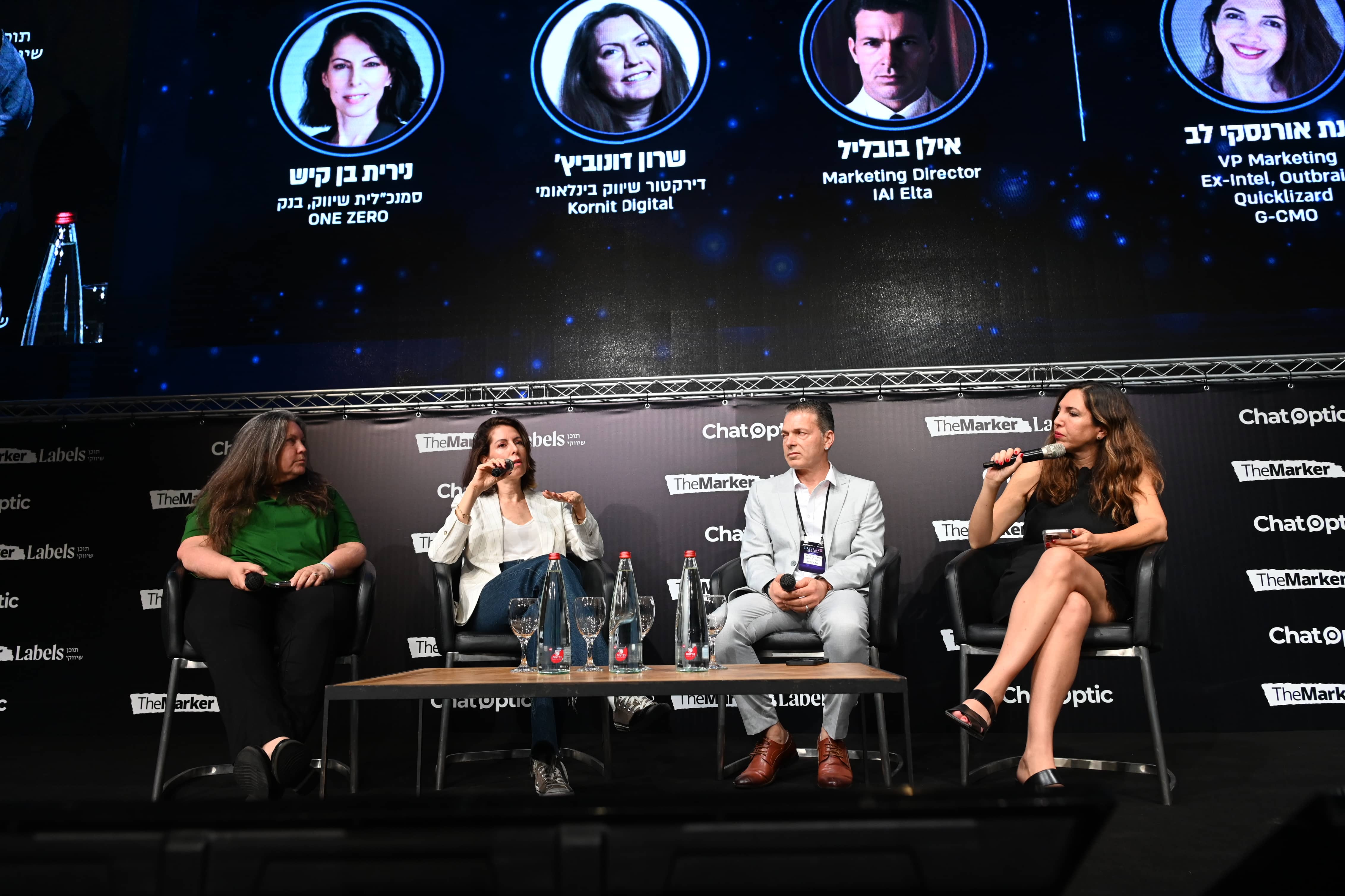
Sharon Donovich, Marketing Director at Kornit Digital (NASDAQ: KRNT)
Nirit Ben Kish, CMO, ONE ZERO Bank. Photographer: Liat Mandel
The content economy is under pressure
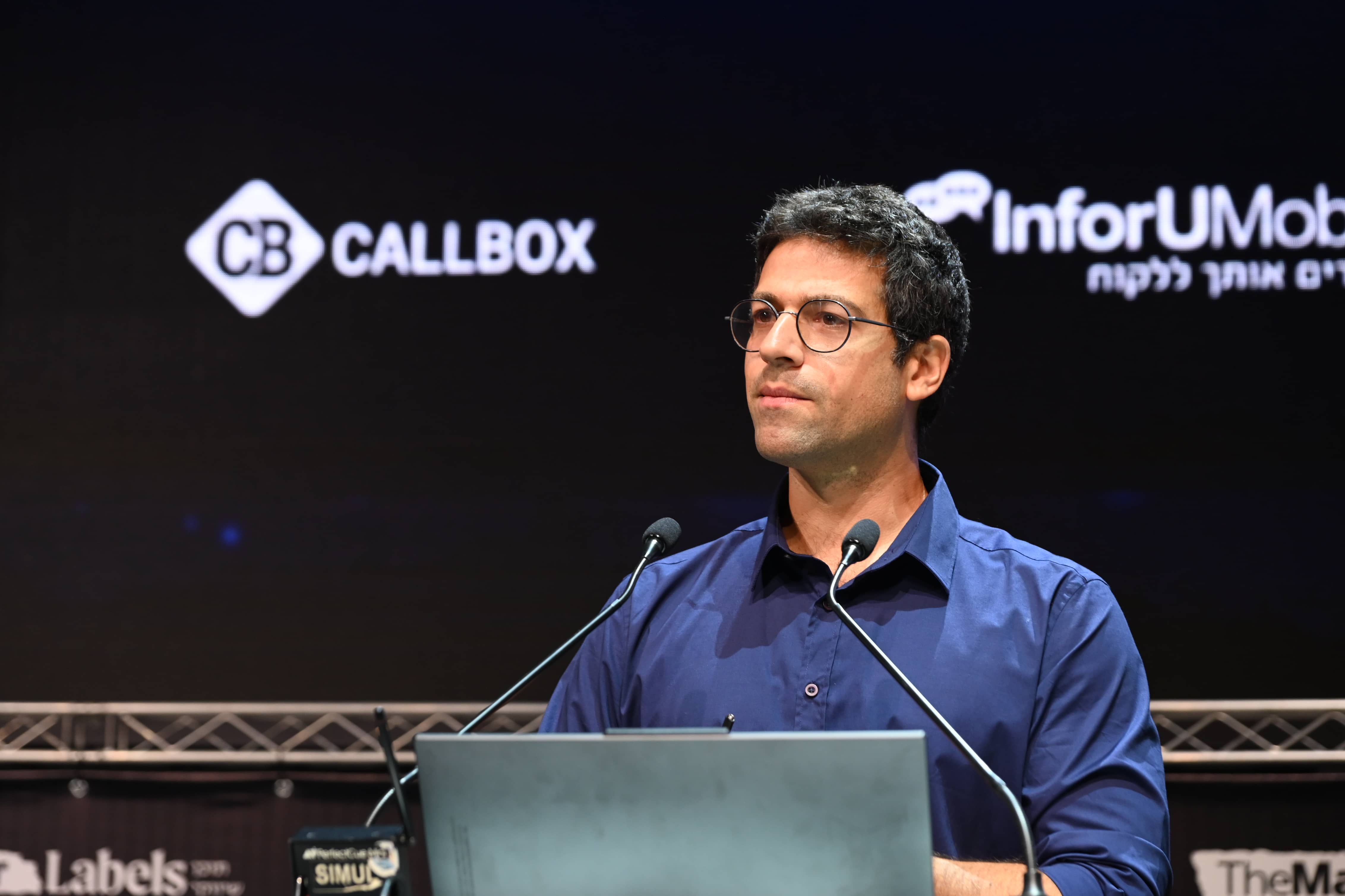
Dr. Omer Ben Porat, AI researcher at the Technion, explored the growing tension between content creators and LLM-based search.
Key takeaways:
- AI-generated answers reduce clicks and challenge existing revenue models for publishers.
- Legal action and regulation are increasing as creators push back.
- Proposed models include revenue sharing and paid access to high-quality content.
- Without sustainable incentives, the quality of data feeding AI systems will decline.
Discovery and advertising are being reshaped
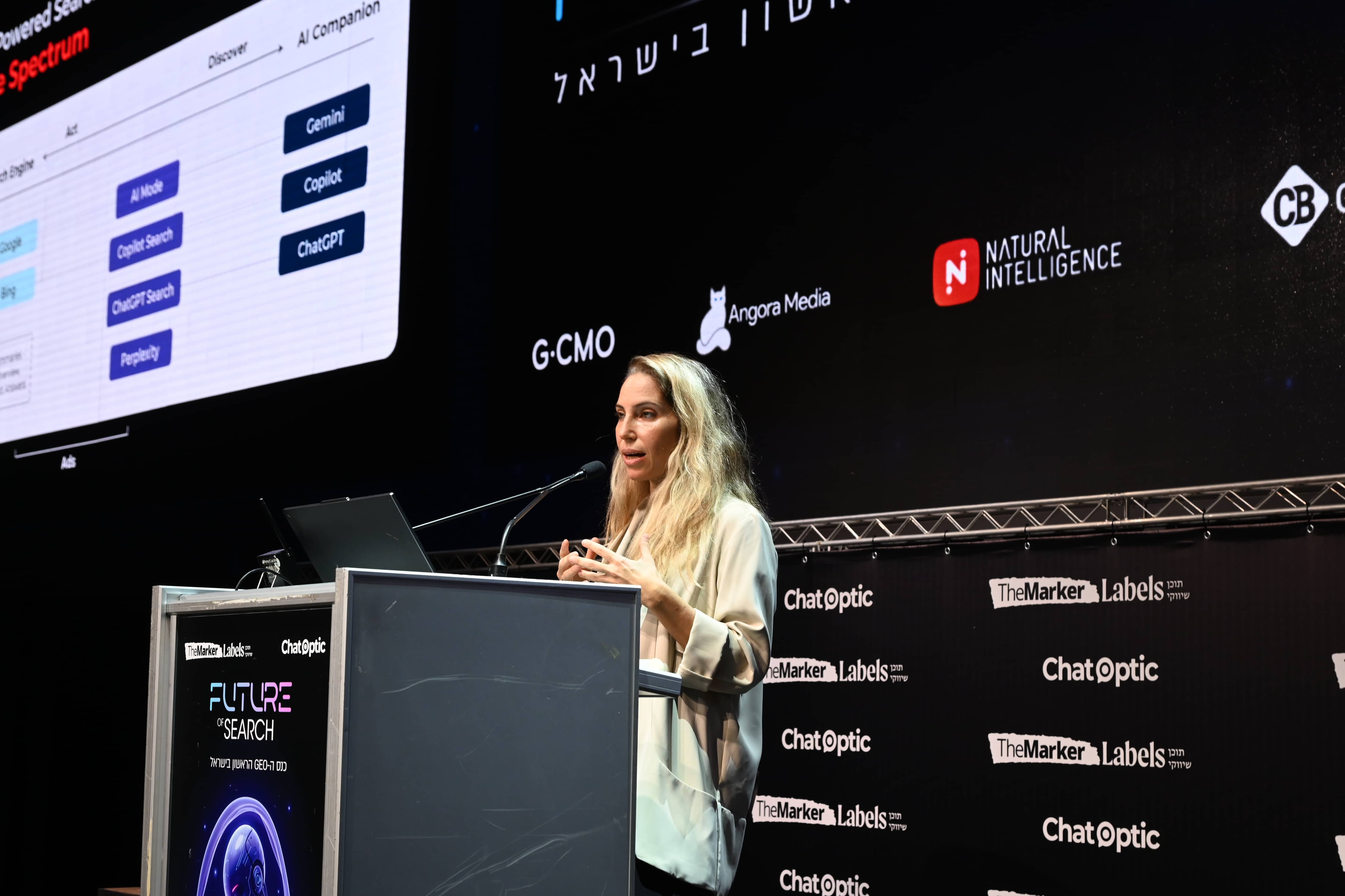
Hila Gil-Dotan, CMO at Natural Intelligence, discussed how AI changes discovery, competition, and paid media.
Key takeaways:
- Users now start with conversations, not keywords.
- AI understands intent across categories, expanding the competitive landscape.
- Exposure in AI answers often happens at the top of the funnel, during discovery.
- Data quality becomes even more critical as platforms experiment with monetization.
Working with a black box requires experimentation
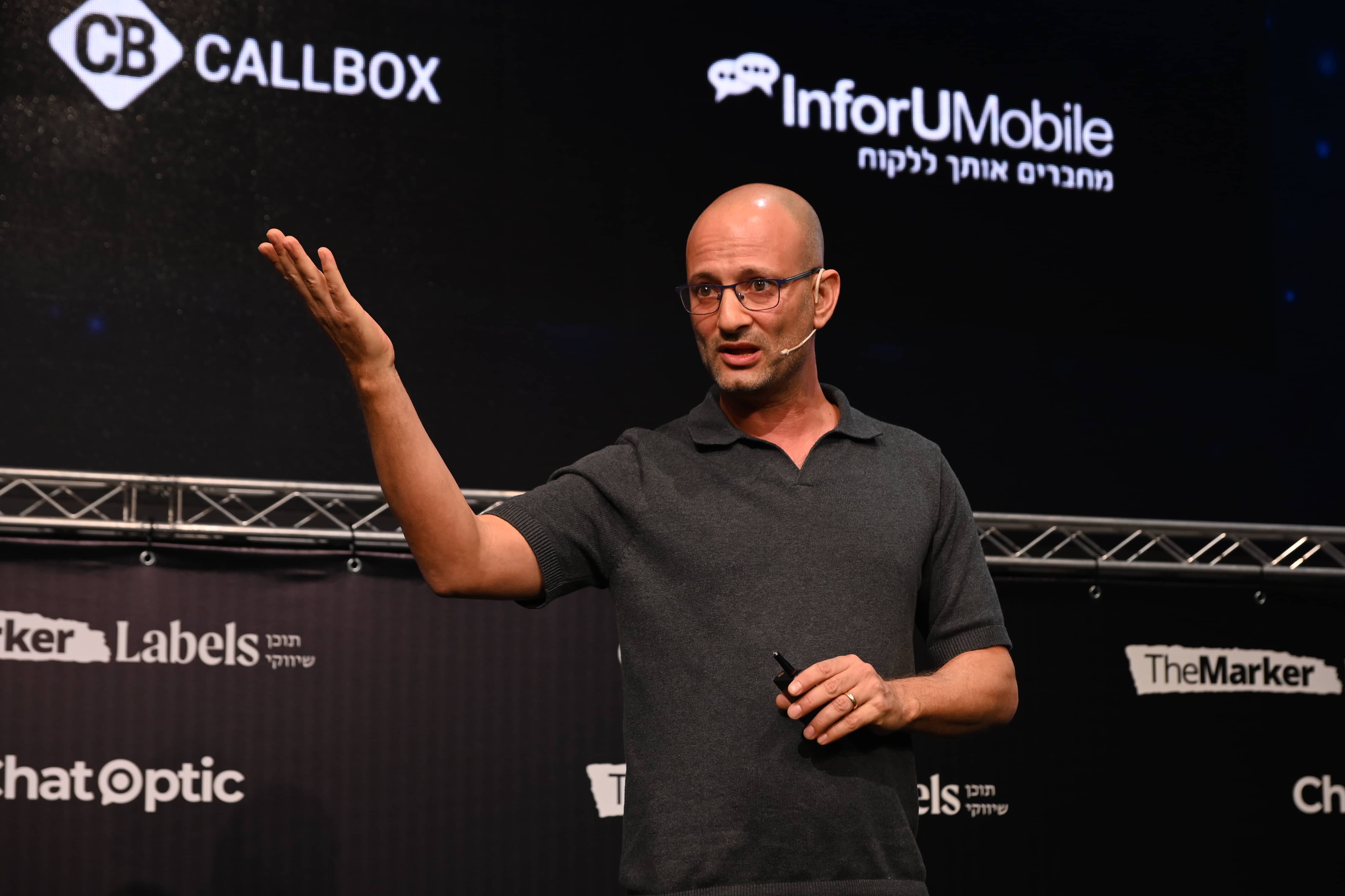
Omer Eliaz, Director of Organic Growth at Fiverr, shared practical GEO lessons from operating at global scale with AI search.
Key takeaways:
- LLMs function as a black box, unlike owned channels.
- Brands must test many questions across different user journeys.
- Unique, specific questions create differentiation in AI answers.
- Large-scale analysis helps identify which pages and sources AI systems reuse.
Custom GPTs can drive real world sales, not just conversations
Morad Stern, Head of Engineering Branding at Wix, shared a practical case study showing how Custom GPTs can be used as a real distribution and sales channel, even for physical products like printed books.
Morad walked through how he used a Custom GPT to let people “talk” with his book, creating a new kind of engagement that did not replace the product, but actually increased demand for it.
Key takeaways:
- Custom GPTs allow creators to package their knowledge into an interactive experience without giving the content away.
- Users could freely chat with the book, but could not download or extract it.
- The GPT became a discovery and engagement layer, not a replacement for the product.
- A simple QR code connected offline retail to an AI experience, driving both visibility and sales.
- Beyond sales, the GPT generated website traffic, community growth, and a stronger personal brand.
- It is much easier to experiment with AI when you already have an existing asset to build on.
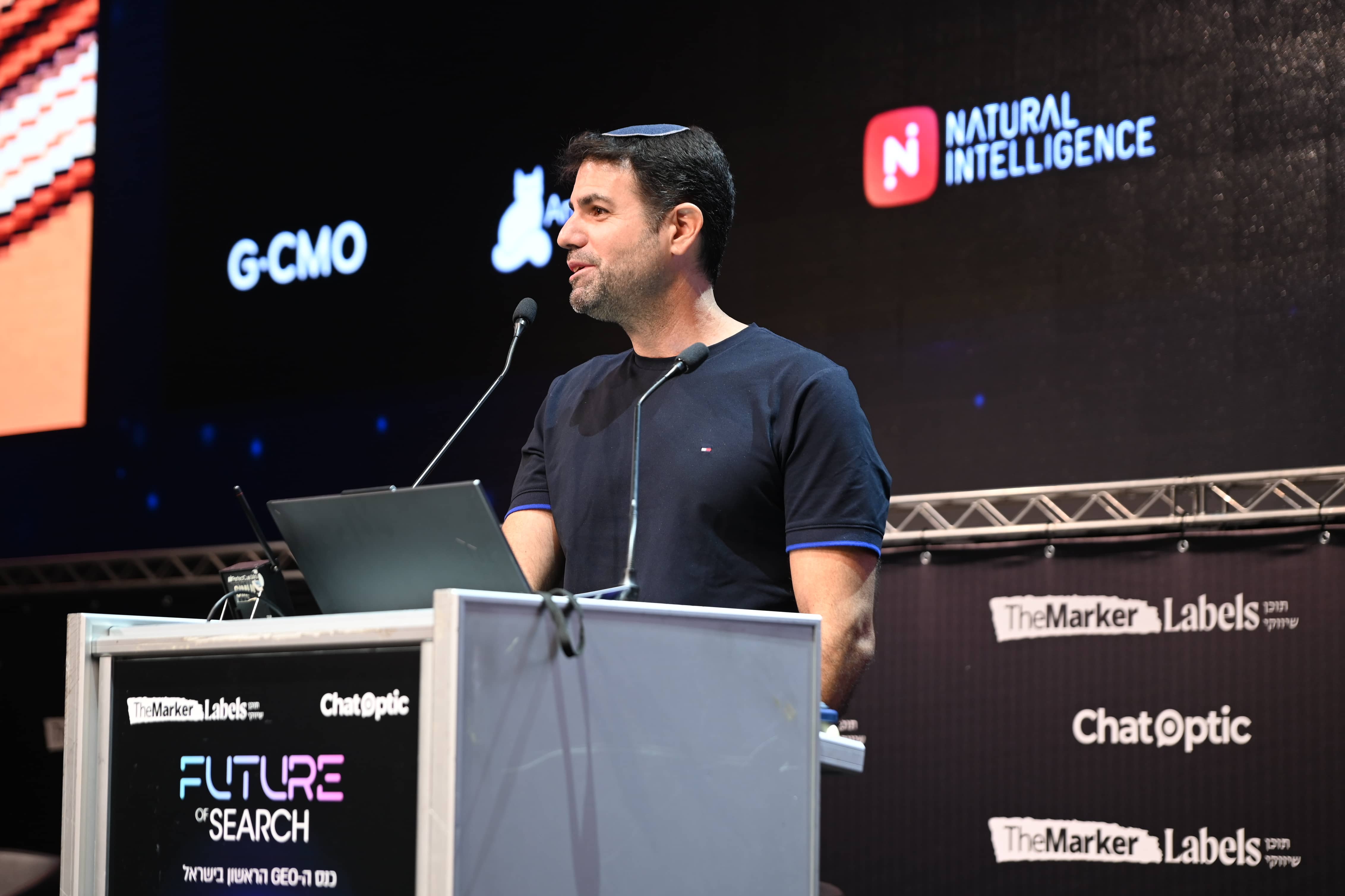
KPIs and Measuring Success in a Zero-Click World
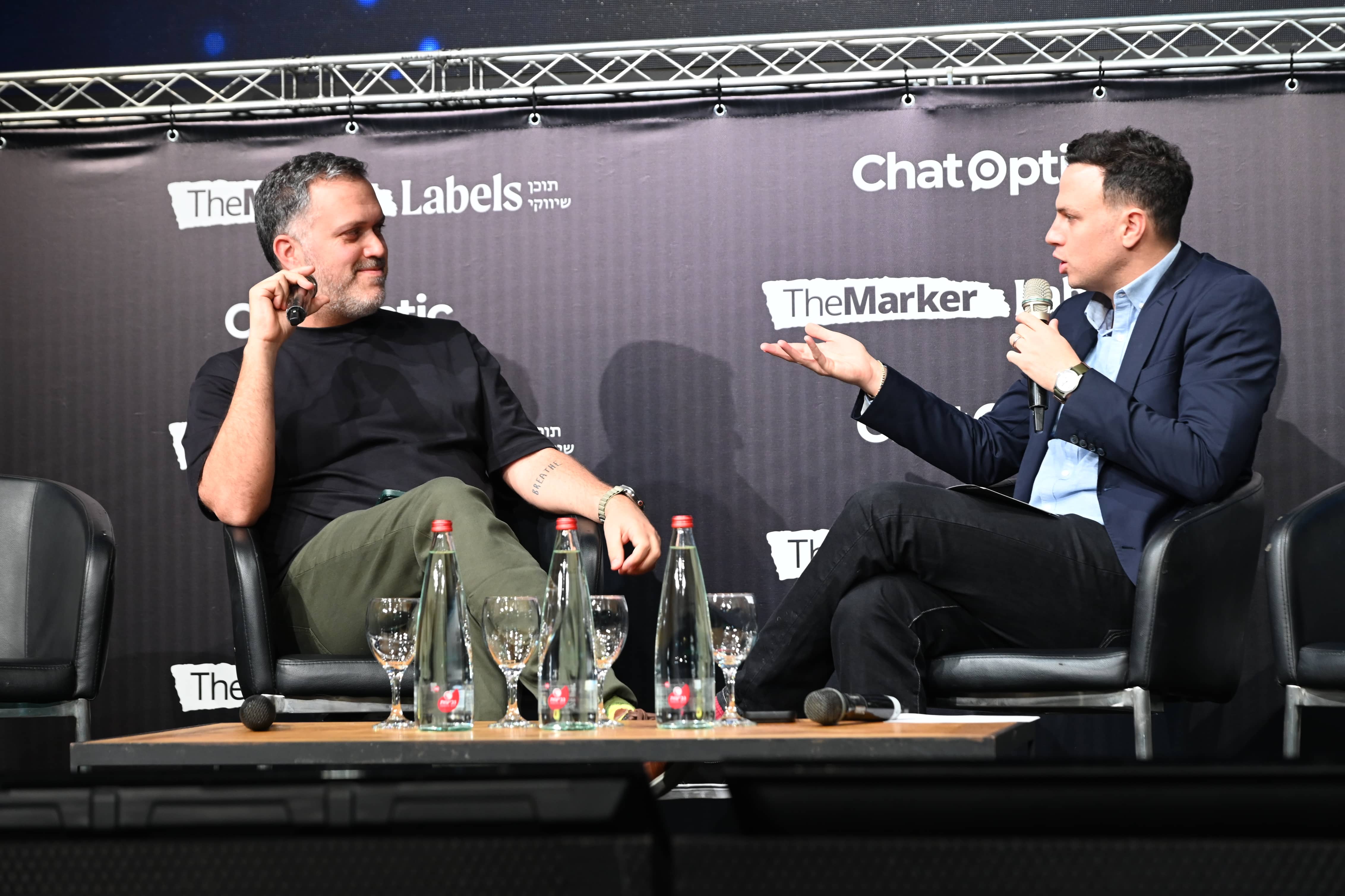
Ran Avrahamy, CMO at AppsFlyer, joined Omri Barak for a conversation on how success should be measured in a world where clicks, CTR, and traditional search results are no longer the primary signals. Ran explored how AI search shifts the focus from traffic to impact, and why marketers need a new definition of success in an environment dominated by single, synthesized answers.
Key takeaways:
- In AI-driven search, users often get answers without clicking, making CTR an incomplete success metric.
- Measuring impact requires new performance indicators that reflect influence earlier in the user journey.
- AI systems evaluate brands based on signals that go beyond classic acquisition funnels.
- Consistent narratives and clear messaging become critical when success is measured before conversion.
- Marketers must adapt their measurement frameworks to reflect visibility and influence, not just traffic.
More about that in our blog: The One AI Visibility KPI CMOs Should Actually Care About
Turning Takeaways Into Strategy
Future of Search 2025 highlighted just how fast the rules of search are changing. AI-driven answers, deep personalization, and new visibility metrics are already reshaping how brands are discovered and evaluated. While there is still uncertainty and plenty of open questions, one thing is clear: brands that actively test, measure, and adapt to AI visibility will be far better positioned than those that wait.
We would like to thank all the speakers who shared their insights and experience on stage. Thank you to our partners and sponsors: TheMarker Labels, Angora Media, InforU, Callbox, Natural Intelligence, and G-CMO, for making the event possible. And thank you to all the participants who joined us and helped make this conversation meaningful.
At Chatoptic, we believe this is only the beginning of a much broader shift. Understanding how brands appear inside AI chatbots, for different people and in different contexts, is becoming a core marketing capability. We look forward to continuing this conversation and sharing more data, insights, and real-world case studies in the months ahead.